Paddle-to-the-Sea Activities: A Hands-On Great Lakes Unit Study for Homeschoolers

Updated: 4 days ago

Reading Paddle-to-the-Sea by Holling Clancy Holling is a wonderful way to bring geography, nature study, art, and science alive for young learners.
Here are some of the Paddle-to-the-Sea activities we have been exploring in our homeschool. These ideas are especially suited to early elementary students and families who enjoy a Charlotte Mason-inspired approach to learning through living books, narration, nature study, and hands-on experiences.

Paint a Watercolor Map of the Great Lakes
One of the most beautiful projects in our Paddle-to-the-Sea study was painting a watercolor map of the Great Lakes. We printed a simple outline map and used watercolors to bring it to life, labeling each lake and exploring the geography Paddle travels through. This project beautifully combines art with geography and helps the map stick in a child's memory.

My 6 year old's map is shown above.
Paddle-to-the-Sea: Pick a Creature to Study
The common loon makes a memorable appearance in Paddle-to-the-Sea, and it became the focus of our nature study. We learned about its habitat on Lake Michigan, its diet of fish, and its surprising fact: the loon is more closely related to a penguin than a duck! This type of nature study brings the book's illustrations to life.

Build a Popsicle-Stick Boat
Inspired by Paddle's hand-carved wooden canoe, we tried our own boat-building challenge using popsicle sticks and glue. The Popsicle Stick Boat Engineering Challenge worksheet walked us through the engineering design process: plan, build, test, and improve. My child drew his boat design first, then built it, and tested how much weight it could carry. This is a wonderful STEM extension for the story.

My 6 year old's boat sketch.
Try a Sink-or-Float Foil Boat Experiment
A simple foil boat experiment is a wonderful science extension for this book. Shape a piece of aluminum foil into a boat, place it in a tub of water, and start adding pennies to see how much weight it can carry before sinking. This hands-on science experiment connects to the real-world forces Paddle's canoe encounters on his journey through the Great Lakes.
Make Paddle and His Canoe with Play Dough
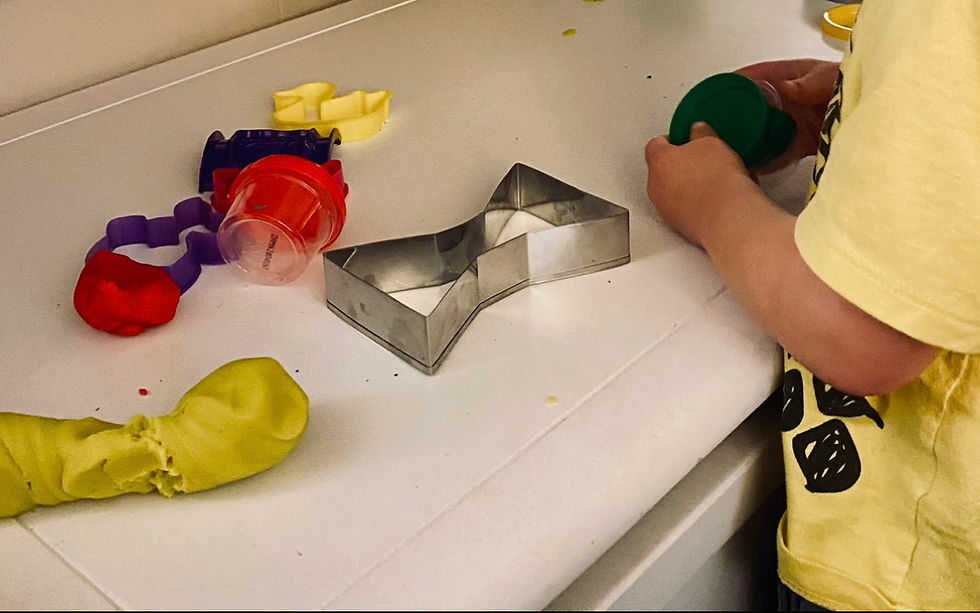
For younger learners, making Paddle and his canoe out of play dough is a delightful and tactile activity. Sculpting the little wooden figure and his vessel helps children connect with the character and understand the story in a hands-on way.

Play Dough Paddle and Popsicle Stick Boat
Map Paddle's Journey
Follow along with Paddle on a map as he travels from Lake Superior through the other Great Lakes and eventually out to the Atlantic Ocean. Mark each stop on a physical map of North America, naming the lakes in order: Superior, Michigan, Huron, Erie, and Ontario. This geography activity reinforces the Great Lakes in a story-connected way that children remember long after the book is finished.
Practice Narration and Nature Journaling
Charlotte Mason's method of narration pairs beautifully with Paddle-to-the-Sea. After each chapter, invite your child to narrate back what happened in their own words — orally, in writing, or through illustration. The gorgeous illustrations in the book also inspire nature journal entries for the birds, plants, and landscapes Paddle encounters along the way.
Plan a Four-Week Paddle-to-the-Sea Unit Study
This book lends itself wonderfully to a multi-week unit study. Over four weeks, you can work through the Great Lakes geography, nature studies of the creatures Paddle encounters, art projects, engineering challenges, and a study of Holling Clancy Holling's illustrative style. A structured plan helps you pace the reading and weave in all the activities without feeling rushed.
Why I Love Hands-On Literature Studies
Living books like Paddle-to-the-Sea are the heart of our homeschool. When we pair a beautiful book with maps, nature study, and hands on activities, learning becomes a living experience rather than a dry exercise. My child remembers far more from a study like this than from any textbook — and he asks to revisit his favorite books again and again.
Supplies for Your Paddle-to-the-Sea Unit Study
Here are a few simple supplies you may want for these activities:
a printed outline map of the Great Lakes,
popsicle sticks and craft glue
aluminum foil
pennies for the sink-or-float experiment
Want More Paddle-to-the-Sea Activities?
If you would like a complete, done-for-you resource, our Paddle-to-the-Sea Unit Study includes nature study worksheets, engineering challenges, a watercolor map project, narration prompts, a four-week schedule, and much more. You can find it on our TPT store and also on our website.
Whether you're painting maps, studying birds, building boats, or simply enjoying the illustrations together, Paddle-to-the-Sea offers so many opportunities to learn through beautiful literature and hands-on exploration.
I hope these ideas inspire you to bring Paddle-to-the-Sea into your own homeschool! If you try any of these activities, I'd love to hear which ones your children enjoy most. Happy reading and exploring!
Affiliate Disclosure: As an Amazon Associate, I earn from qualifying purchases. This means I may earn a commission if you purchase through links on my website, at no additional cost to you.


Comments